Home Hardening
Practical residential improvements that can help make a home more resistant to embers, radiant heat, and wildfire exposure—especially for homes in rural and wildfire-prone parts of Southern Oregon.
Small changes to the house can address common wildfire weak points.
Home hardening is not about making a house “fireproof.” It is about improving the parts of a home that can be vulnerable when wind-driven embers, radiant heat, or nearby flames reach the property. Depending on the home, that can mean one focused retrofit or a coordinated series of exterior upgrades over time.
Fiber-Cement Siding
Replace vulnerable exterior siding with noncombustible fiber-cement products, including options such as James Hardie siding, while coordinating trim, flashing, penetrations, and transitions as part of the exterior assembly.
Roofing Upgrades + Coordination
When a roof is due for replacement, coordinate installation of an appropriate wildfire-resistant roof assembly. Many properly specified metal roofing systems and composition roof assemblies can provide strong fire resistance when the complete assembly is installed correctly.
Ember-Resistant Vents
Upgrade vulnerable attic, soffit, eave, and crawlspace ventilation with ember- and flame-resistant vent products where appropriate, or add suitable corrosion-resistant metal screening where the assembly calls for it.
Metal Gutter Guards
Install noncombustible metal gutter guards or covers to help reduce the buildup of leaves and needles in gutters. Gutters and roof edges still need periodic inspection and cleaning.
Eaves + Soffits
Repair openings and vulnerable transitions around eaves, soffits, fascia, and roof edges. Depending on the house, enclosing open-eave areas or replacing combustible finish materials can reduce places where embers can lodge or enter.
Windows + Glazing
When windows are being replaced, consider assemblies with tempered or multi-pane glazing and appropriate exterior detailing. Window upgrades can be coordinated with siding, trim, and other exterior hardening work.
Decks + Attached Structures
Evaluate decks, porches, stairs, and other attached exterior construction for combustible materials, open areas where debris collects, and vulnerable connections to the house. When rebuilding, material choices can be reviewed against applicable wildfire requirements.
Fences Near the House
Where fencing connects directly to a home, consider replacing the section closest to the structure with a less combustible material such as metal or masonry rather than creating a continuous combustible path to the building.
Skirting + Exterior Enclosures
Replace vulnerable combustible skirting or enclosure materials with fiber cement, metal, masonry, or other appropriate materials, while maintaining the ventilation the assembly requires.
Exterior Gaps + Repairs
Address deteriorated siding, loose trim, damaged roof-edge details, gaps at exterior transitions, and other openings where embers could lodge or pass into concealed spaces.
Noncombustible Perimeter Improvements
Where it fits the project, coordinate hardscape or noncombustible materials such as gravel or pavers immediately next to the structure instead of combustible mulch or other materials that can readily ignite.
Home Hardening Consultation
Walk through the home's exterior from a contractor's perspective, discuss practical vulnerabilities, and help prioritize upgrades based on the existing construction, planned remodeling work, and the homeowner's budget.
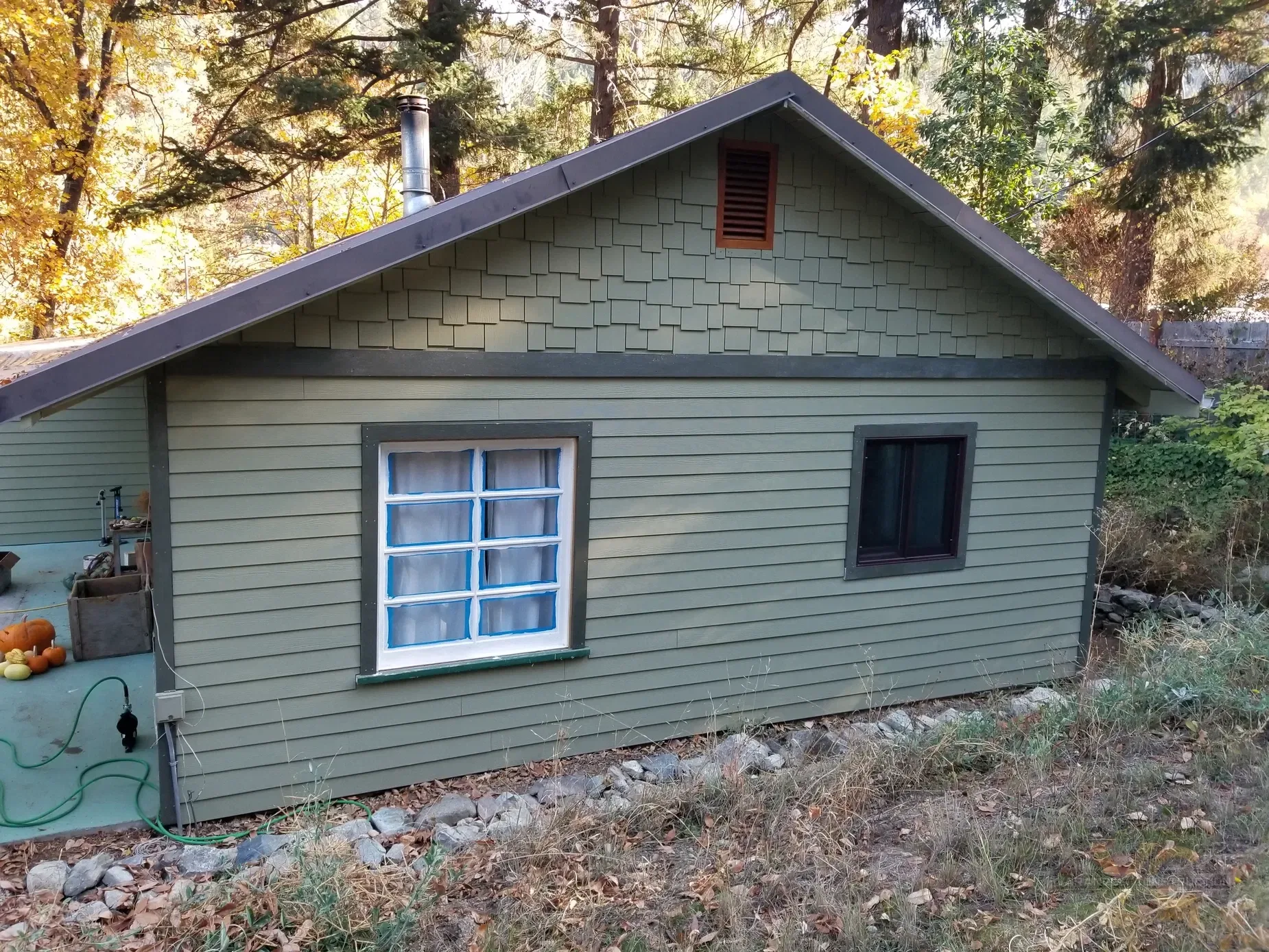
Exterior materials can be part of a broader hardening strategy.
Fiber-cement siding is one example of a practical exterior upgrade that can improve durability while also replacing a combustible siding material with a noncombustible product. Home hardening works best when the house is considered as a system rather than focusing on only one material.
Discuss Your HomeNot every home needs every upgrade at once.
Some homeowners may be ready for a larger exterior renovation. Others may want to start with vents, gutters, repairs, or a single vulnerable area and improve the house in phases. A home-hardening consultation can help identify improvements that make sense to combine with work the house already needs.
The building and the area around it both matter.
Construction changes to the home work alongside defensible-space practices such as keeping roofs and gutters clean, reducing combustible material immediately next to the structure, and managing vegetation around the property.
Varanelli Construction can help with building-related improvements and practical contractor consulting. For a dedicated defensible-space assessment and property-specific vegetation guidance, homeowners should also use local fire-agency or Oregon State Fire Marshal resources.
Wildfire construction requirements can vary by jurisdiction.
Oregon's Residential Specialty Code includes wildfire-hazard-mitigation provisions that may be adopted locally. Requirements can depend on the location, project type, building component, and whether the work is new construction or an alteration. We can help identify questions to bring to the local building department and coordinate applicable requirements into the construction scope.
Oregon Building Codes Division
Oregon publishes a homeowner-friendly guide covering roofing, exterior walls, ventilation, eaves, decks, windows, and other wildfire-hardening components.
Oregon home-hardening guidance →Oregon State Fire Marshal
The State Fire Marshal provides defensible-space information and free educational assessments for Oregon property owners.
Oregon defensible-space resources →Home hardening reduces risk; it does not eliminate wildfire risk.
No contractor can guarantee that a structure will survive a wildfire. The appropriate improvements depend on the home, site, exposure, local requirements, and available budget. Home-hardening consulting from Varanelli Construction is a practical general-contractor perspective and is not a substitute for engineering, fire-agency assessments, code-official determinations, or insurance requirements when those apply.